


A sliding glass door is designed to move smoothly along its track with minimal effort. When it starts sticking or jamming, it can quickly become frustrating and inconvenient. In some cases, the door may feel heavy or completely blocked, making it difficult to open or close. Sticking doors can also place extra stress on door hardware, sometimes leading to issues that require sliding glass door lock repair in addition to restoring smooth operation.
Understanding the root causes of a sticking sliding door is important because the issue is usually a sign of wear, damage, or maintenance needs. In this guide, we will break down the most common reasons sliding glass doors stick or jam, how to identify each problem, and what can be done to fix it.
How a Sliding Glass Door Works?
A sliding glass door operates using a combination of components that must work together smoothly:
- Rollers located at the bottom of the door
- A metal or aluminum track
- Upper guide system for stability
- Frame that holds the structure in place
- Locking mechanism for security
When any one of these parts is not functioning properly, the door may stick, drag, or jam completely.
Common Causes of a Sliding Glass Door Sticking or Jamming
1. Dirty or Blocked Track
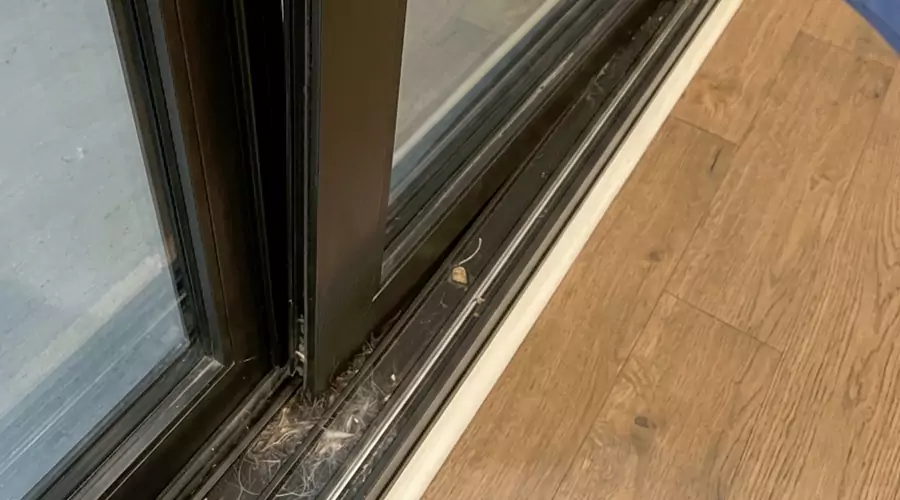
One of the most common causes of a sticking sliding door is a dirty track.
Over time, tracks collect:
- Dust
- Dirt
- Sand
- Small stones
- Pet hair
- Leaves
When debris builds up, it creates resistance that prevents the rollers from moving freely. Even a small amount of buildup can cause noticeable sticking.
Signs of a Dirty Track:
- Door moves unevenly
- Grinding or scraping sound
- Visible debris inside the track
- Door stops halfway while sliding
Regular cleaning is often enough to fix this issue.
2. Worn or Damaged Rollers
Rollers carry the weight of the door and allow it to glide smoothly.
They can wear out due to:
- Long-term use
- Rust or corrosion
- Lack of lubrication
- Heavy door weight
When rollers become damaged, they may flatten, crack, or seize up, making movement difficult.
Signs of Roller Problems:
- Door feels heavy to push
- Jerky or uneven movement
- One side of the door drags more than the other
- Loud grinding noises
Replacing rollers is often required when wear becomes severe.
3. Misaligned Door Frame
A sliding door depends on a properly aligned frame to function correctly.
Frame misalignment can occur due to:
- House settling over time
- Structural shifting
- Moisture damage
- Improper installation
When the frame is not level, the door may rub against the track or bind in certain areas.
Signs of Frame Misalignment:
- Uneven gaps around the door
- Difficulty locking the door
- Door tilts slightly when sliding
- Increased resistance in specific spots
This issue often requires professional adjustment.
4. Damaged or Bent Track
The track guides the rollers and ensures smooth movement.
Damage can occur from:
- Heavy impact
- Dropping objects on the track
- Continuous wear over time
A bent or dented track prevents the rollers from moving smoothly, causing sticking or complete jamming.
Common Track Damage Signs:
- Visible dents or bends
- Sharp resistance at one point
- Door jumps or skips while moving
- Metal shavings in the track
Severely damaged tracks often need repair or replacement.
5. Lack of Lubrication
Sliding door components require proper lubrication to function smoothly.
Without it, friction increases between:
- Rollers and track
- Metal parts
- Moving joints
This leads to stiffness and sticking.
Symptoms of Poor Lubrication:
- Door feels dry or rough when moving
- Squeaking sounds
- Gradual increase in resistance
- Smooth movement after cleaning but not lasting improvement
Using a silicone-based lubricant can help reduce friction.
6. Loose or Worn Hardware
Sliding doors contain multiple hardware components that support movement and alignment.
These include:
- Screws
- Brackets
- Roller housings
- Guide systems
When these parts loosen or wear out, the door may shift out of position and begin sticking.
Signs of Loose Hardware:
- Door shakes while moving
- Sudden sticking points
- Visible gaps in frame alignment
- Increased noise during operation
Tightening or replacing hardware can restore stability.
7. Weather Stripping Problems
Weather stripping is used to seal the door against air, dust, and moisture.
Over time, it can:
- Become stiff
- Peel away
- Get misaligned
- Increase friction between the door and frame
When weather stripping presses too tightly against the frame, it can cause sticking.
Symptoms of Weather Stripping Issues
- Door feels tight near edges
- Increased resistance in warm or cold weather
- Visible worn or damaged seals
Replacing the weather stripping often solves this problem.
8. Dirt Inside the Roller Mechanism
Sometimes the issue is not the track but the rollers themselves.
Dirt can enter the roller housing and cause:
- Seized bearings
- Rough movement
- Uneven rotation
This is common in older doors or areas with high dust exposure.
9. Moisture and Rust
Moisture exposure can lead to corrosion in both tracks and rollers.
Rust can cause:
- Sticking at specific points
- Rough sliding motion
- Permanent damage to metal parts
Homes in humid or coastal environments are more prone to this issue.
10. Improper Installation
If a sliding door was not installed correctly, problems may appear over time.
Installation errors can include:
- Uneven leveling
- Poor alignment with the track
- Incorrect roller adjustment
These issues often lead to chronic sticking that does not improve with cleaning or maintenance.
How to Fix a Sticking Sliding Glass Door?
Depending on the cause, several solutions may help restore smooth operation:
Basic Maintenance Steps
- Clean the track thoroughly
- Remove all dirt and debris
- Apply silicone-based lubricant
- Check for visible damage
Adjustment Steps
- Adjust roller height screws
- Tighten loose hardware
- Realign door position
When Repairs Are Needed?
- Replace worn rollers
- Repair or replace damaged tracks
- Fix alignment issues
When to Call a Professional?
You should consider professional help if:
- The door remains stuck after cleaning
- The track is visibly bent or damaged
- Rollers need replacement but access is difficult
- The door frequently jams again after repair
- Frame alignment appears incorrect
A technician can diagnose the exact issue and prevent further damage.
Final Thoughts
A sliding glass door that sticks or jams is usually caused by dirt buildup, worn rollers, track damage, or alignment issues. While some problems can be fixed with basic cleaning and maintenance, others require part replacement or professional repair.
Identifying the cause early can prevent more serious damage and keep your door operating smoothly. Regular inspection and proper maintenance are the best ways to ensure long-lasting performance and avoid costly repairs in the future.
 Reviews
 (498)
(498)